Category: Blog (Page 2 of 4)

ProxyMTG.com MTG Proxy Reviews – Is It Legit?
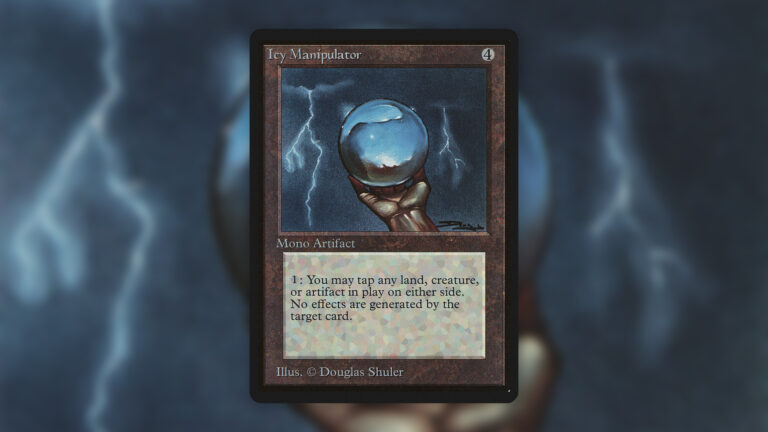
TLDR: ProxyMTG.com is a legit US-based MTG proxy storefront with solid, realistic-feeling cards printed on black-core stock and a big catalog of staples and proxy sets. It isn’t quite as hyper-realistic as ProxyKing or as customizable as PrintMTG, but it hits a nice middle ground of quality, variety, and convenience—especially if you want to buy ready-made singles and sets with fast US shipping.

Overview: Where ProxyMTG Fits In

ProxyMTG.com is an online store dedicated to Magic: The Gathering proxies. Unlike purely “upload your deck and we’ll print anything” services, it mainly operates like a curated singles shop: you browse by color, card type, or sets (dual lands, fetches, triomes, medallion sets, etc.), pick the proxies you want, and they print and ship them from within the United States.

The company explicitly positions itself as a provider of high-quality, realistic proxies for casual play and testing—not as a source of counterfeits or tournament-legal cards. Like other proxy shops, it focuses on cards that are expensive, scarce, or risky to play in paper, with the goal of making high-powered Commander, cube, and eternal formats more accessible.

In the broader ecosystem, ProxyMTG tends to sit behind ProxyKing.biz and PrintMTG.com in terms of brand recognition but offers a useful “middle lane”: more pre-made options and realism than basic budget services, less of the hyper-realism focus of ProxyKing, and less custom-art tooling than PrintMTG.

Print Quality and Realism

On paper (no pun intended), ProxyMTG’s specs look serious. Product pages emphasize that they use modern printing technology, aim for realistic color and detail, and match the size and weight of original Magic cards. They specifically highlight the use of premium German black-core cardstock, which is the same general class of material used by many professional card printers and helps proxies feel close to real cards when sleeved.

Independent blog reviews and player commentary generally describe ProxyMTG’s cards as:

  • Crisp and readable, with good resolution on rules text and set icons
  • Color-accurate enough for casual play, if not always quite indistinguishable from Wizards prints
  • Very close in stiffness and thickness to real cards, especially once in sleeves

You can expect subtle differences compared with official cards—small shifts in color, a slightly different surface finish, or minor differences on the card back—but that’s standard (and desirable) for ethical proxy use. In sleeves, especially in a deck mixed with real cards, they look and feel convincing for casual games.

Overall, we’d rate ProxyMTG as “strong but not ultra-obsessive” on realism: more than good enough for cube and Commander tables, but not the maxed-out “spot the difference only under bright light” level that ProxyKing aims for.

Card Options and Catalog

One of ProxyMTG’s main strengths is variety. The storefront is organized much like a normal MTG singles site, with navigation for:

  • Proxy sets (dual land sets, triomes, medallion sets, fetch bundles, etc.)
  • Artifact, land, and color-coded sections (blue, black, green, red, white, multicolor, colorless)
  • Individual high-value staples like Black Lotus, Underground Sea, Mana Crypt, Sheoldred, popular commander pieces, and more

The catalog includes both single cards and curated sets, including foil treatments and “box topper”–style versions for some staples. That makes it particularly convenient if you want to fill in multiple expensive slots in a deck or mana base in one go.

Compared with ProxyKing, the catalog feels a bit more “storefront” and a bit less “museum of reserved-list ultras,” and compared with PrintMTG, you’re making fewer micro decisions about each individual card frame or art. You don’t get full-blown on-site art customization, but you also don’t have to spend time constructing a decklist tool order if you’d rather just click on the staples you know you want.

Price and Value

Pricing at ProxyMTG is typical of premium proxy sites: most singles sit around a few dollars per card, with discounts on bundles (for example, full dual-land sets, triome sets, and fetch bundles at a reduced per-card cost). That places it near ProxyKing’s ballpark for individual high-end staples.

From a value perspective:

  • If you’re proxying a handful of expensive cards (dual lands, Power-like pieces, top-tier commanders), ProxyMTG’s pricing is extremely cheap relative to originals.
  • If you’re trying to proxy an entire 100-card Commander deck, costs add up quickly. In that scenario, PrintMTG’s tiered pricing or an even more bulk-focused service may end up cheaper per card.

We’d characterize ProxyMTG’s value as “good for targeted upgrades, moderate for deck-wide proxying.” You’re paying for decent realism, curated options, and US-based printing rather than rock-bottom pricing at scale.

Ordering Experience and Tools

ProxyMTG’s site is designed for quick, straightforward ordering. You can:

  • Browse by category (sets, colors, card type) or search directly by card name
  • Add individual proxies or sets to your cart with one click
  • Check out via a standard ecommerce flow (cart, shipping, payment)

On top of that, ProxyMTG content and third-party guides describe workflows where you paste a decklist and let the shop match cards, making it easier to proxy large chunks of a deck without clicking each card manually. It’s not as fully automated and front-and-center as PrintMTG’s dedicated decklist upload interface, but for many users the browsing-plus-search model is plenty.

The overall UX is cleaner and less dense than general-purpose printers like MakePlayingCards. You’re clearly in a Magic-focused environment, and you don’t have to worry about page layout, bleed, or export formats—just pick cards and wait for them to arrive.

Shipping and Turnaround Time

ProxyMTG ships from within the United States, with a listed physical address in Arkansas and contact details that include a US phone number and email. Product pages and FAQs say:

  • Most orders ship within roughly one business day, occasionally two or three on larger batches
  • Smaller orders under a certain dollar threshold go out in plain white envelopes with top-loaders
  • Larger orders ship in bubble mailers with tracking

In practice, community reports are mixed but trend toward “quick when it goes smoothly.” Some players report getting their cards within a few days of ordering; others mention that their orders took a while or required follow-up. At least one Reddit commenter highlights being able to place large orders (200+ cards) to hit volume pricing and still receive them within a reasonable timeframe.

For US customers, the combination of domestic shipping and fast fulfillment is a major plus versus overseas options. For international buyers, shipping times and costs will naturally be less favorable.

Legitimacy and Reputation

The big question: is ProxyMTG.com legit?

Looking at the available evidence, you get a nuanced picture:

  • The site has a long-lived domain, a working ecommerce system, published contact details, and an active blog and catalog of hundreds of products.
  • There are players on social platforms who describe multiple successful orders, good enough quality, and fast shipping, and explicitly recommend the site.
  • There are also negative reports, including customers who say orders were delayed or never arrived and at least one thread asking if the site is a scam after account access problems.
  • An automated “scam detector” service rates the site in the “medium/questionable” trust band based on technical risk factors, not on direct evidence of fraud.

Taken as a whole, that suggests ProxyMTG is a real proxy vendor that has fulfilled many orders, but not a perfect one. It’s not in the same “widely established and extensively reviewed” tier as big names like ProxyKing or long-standing decklist printers, and you can find both strong praise and strong criticism in community threads.

Our practical advice is the same as with most niche online stores: treat ProxyMTG as legit but use normal online-shopping precautions. Start with a modest order, pay via a method that offers buyer protection, and give yourself time before any important event in case you need to follow up.

ProxyMTG vs ProxyKing vs PrintMTG

If you’re deciding among these three, here’s how they roughly stack up:

  • ProxyKing.biz
    • Focus: hyper-realistic single-card proxies of high-end staples and reserved-list icons
    • Strengths: extremely close visual match to real cards in sleeves; great for one or two “grail” staples
    • Weaknesses: less efficient for full-deck proxying; some community drama and mixed service stories
  • PrintMTG.com
    • Focus: custom decklist printing and custom-art proxies
    • Strengths: powerful decklist upload tools, flexible art options (including full custom), clear bulk pricing tiers; independent review confirming strong quality and straightforward ordering
    • Weaknesses: more of a “tool” than a store; slightly less of a hyper-real look; occasional minor issues like bent corners or limited support for some card types
  • ProxyMTG.com
    • Focus: ready-to-order singles and sets with realistic feel and a big curated catalog
    • Strengths: lots of staples and bundles, solid card feel, simple storefront model, fast US shipping, good “grab a handful of cards” experience
    • Weaknesses: fewer deep customization tools than PrintMTG; realism not quite as obsessive as ProxyKing; reputation more mixed than either of the other two

In short: ProxyKing is best when you want the most realistic-looking proxies of the priciest cards. PrintMTG is best when you want to upload whole decks or custom art. ProxyMTG is best when you want a large menu of ready-made proxies—especially staples and sets—and care about a balance of quality, variety, and convenience.

Use Cases / Best For

ProxyMTG is a good fit if you:

  • Play mostly casual Commander, cube, or kitchen-table Magic
  • Want to proxy a cluster of expensive staples (mana bases, marquee spells, key commanders) without designing your own cards
  • Prefer a simple add-to-cart storefront experience over decklist tools and custom frame editors
  • Want US-based fulfillment with reasonably fast domestic shipping

It’s less ideal if you:

  • Need ultra-high realism as your top priority (ProxyKing usually wins that race)
  • Want heavy customization or are planning to upload and print entire decklists with custom art (PrintMTG is better for that)
  • Are extremely risk-averse about any mixed reputation and want only heavily vetted services with long, overwhelmingly positive histories

Pros and Cons

ProxyMTG Pros

  • Realistic-feeling proxies on premium black-core stock, close to real MTG cards in sleeves
  • Large, easy-to-browse catalog of high-value staples and themed proxy sets
  • Simple storefront ordering, plus decklist-oriented workflows for bigger jobs
  • US-based printing and shipping with generally quick turnaround for domestic orders
  • Clear messaging that proxies are for casual/testing use, not sanctioned events

ProxyMTG Cons

  • Community feedback is mixed: some rave reviews, some strongly negative experiences
  • Automated risk-check tools flag the site as “medium trust,” advising caution
  • Less hyper-real and less customizable than specialized competitors like ProxyKing and PrintMTG
  • Pricing is solid for staples but can get expensive if you’re proxying entire decks card-for-card

Final Verdict

ProxyMTG.com is a legit, US-based MTG proxy shop that aims squarely at players who want realistic-feeling proxies of expensive staples without messing with layout tools or DIY printing. Its catalog, materials, and overall experience make it a strong “middle path” between hyper-real one-off proxies and heavy-duty custom deck printers.

It’s not perfect: community sentiment is more divided than for some competitors, and automated trust-checkers don’t give it a spotless score. But the combination of active storefront, documented shipping practices, and multiple positive buyer reports suggests a real operation that generally delivers what it promises.

If you value realism, variety, and a straightforward shopping experience—and you’re comfortable taking normal online-shopping precautions—ProxyMTG is a reasonable option to consider alongside ProxyKing and PrintMTG. Start with a smaller order, see how the quality and turnaround feel for you and your playgroup, and then decide whether it earns a permanent spot in your proxy toolbox.

Rage Without Bullets: On the Charlie Kirk murder, Nephi and Laban, and the cost of sacred violence

I hate that we are here. I hate that someone pulled a trigger at a campus event and turned a crowd into a trauma ward. I hate that people who knew Charlie Kirk are planning a funeral. And I hate that the rest of us are left arguing about blame while a family grieves. The Charlie Kirk murder is a fresh wound. The motive is still unknown. The facts are still coming in. And yet there is one thing I refuse to waffle on. Political violence poisons a democracy. It makes everything worse. It makes liars into martyrs, grifters into symbols, and leaves ordinary people afraid to speak. That is not the world I want.

What we know so far about the Charlie Kirk murder

Charlie Kirk, 31, was shot at Utah Valley University during a daytime event and later died at the hospital. Investigators say the shot came from distance. There is a recovered rifle. There is a manhunt. There is confusion that comes with fast breaking news, and there are conflicting early statements that often follow chaos. Leaders from both parties condemned the attack. That last part matters. It should be boring and routine to denounce violence. It is not.

Kirk leaves behind a wife and two young children. You do not cheer that. You do not turn that into a punchline. You recognize a brutal fact. Someone’s dad is not coming home.

Kirk’s brand of rhetoric still made our politics worse

I will not pretend that Kirk’s public record was harmless. He built a business model on provocation. He courted outrage because outrage prints money. He pushed culture war content because culture war content goes viral. He turned grievance into a touring product, complete with merch tables and cameras. He was not unique, but he was early and aggressive, and he taught a generation how to feed an algorithm with fear.

In my view, that rhetoric hurt real people. It smeared communities already at risk. It trained young minds to see enemies everywhere. It blurred the line between bad faith argument and outright propaganda. And yes, he profited. I also think that is morally ugly. But here is the line I will not cross. None of that justifies a bullet. Ever.

Nephi, Laban, and the dangerous allure of sacred violence

The Book of Mormon tells a stark story. Nephi finds Laban drunk in the street, and the Spirit tells him to kill. He resists. He argues with his conscience. He finally acts, takes Laban’s sword, and ends a life. The text frames it as a divine command to secure scripture plates, to preserve a people’s future. It is one of the most jarring scenes in Latter-day Saint scripture, and for two centuries believers and critics have wrestled with it.

Here is the risk when a story like that sits at the center of a culture. People will try to import it into modern life. They will reach for it as a template. They will imagine themselves as Nephi, righteous and reluctant, forced into terrible necessity by a corrupt foe. That is how scriptural violence escapes the page and starts breathing in the present.

But that is not how healthy societies work. We do not let private men claim private revelation as a license to kill. We do not turn contested culture war grievances into holy war. Whatever one’s theology, modern law is not the book of 1 Nephi. No one alive today is Nephi. No one alive today is commanded by God to find their Laban on a sidewalk.

The rhetorical trap that follows a public killing

This is the cycle. A high profile figure is shot. The internet becomes a courtroom and a coliseum at once. Supporters canonize. Opponents exhale, then hide it, then get called monsters anyway. Politicians issue statements that sound like copy paste. Commentators use the fresh blood to prove the take they posted last week. Everyone scrapes meaning from a body while the coroner is still doing their job.

And soon, a bad logic slithers in. If we are angry enough at the victim, then maybe this one time violence becomes “understandable.” If we are angry enough at the other side, then maybe this one time a bullet did what debate could not. That logic is acid. It eats through everything it touches. If you want a country where every rally needs counter-snipers, keep feeding that logic.

Anger with guardrails

I am angry. I am angry at a media ecosystem that pays people to wind us up. I am angry at influencers who cash checks every time they stretch the truth to scare their followers. I am angry at bad faith actors who do not believe half the things they say on stage, but say them anyway because engagement spikes. I am also angry at gun worship that turns every grievance into a potential murder.

Anger can be honest. It can be clean. But it needs guardrails. Here are mine. I can call Charlie Kirk’s rhetoric poisonous while also saying murder is evil. I can say his career rewarded cruelty while also saying his children deserve compassion. I can say he helped break our discourse while also saying his killing threatens to shatter it.

Why the Nephi and Laban story is not your permission slip

If you are tempted to script this moment with Nephi as your hero’s guide, stop. In the story, Nephi is an ancient figure within a sacred narrative, facing a singular command that he wrestles with in anguish. He is not an avatar for your political frustration. He is not a model for lone wolf justice. Modern governments exist to keep personal revelation from becoming street executions. Courts exist to sort wrongdoing without swords. The entire project of the rule of law is built to block exactly that leap from sacred text to private violence.

The story can still warn us. It can warn believers to treat claims of divine violence with fear and trembling. It can warn nonbelievers that sacred can mean dangerous when it refuses earthly limits. It can warn all of us that humans are very good at dressing up their revenge in holy clothing. If the story sends you toward the gun cabinet, you read it wrong.

Do not let a sniper write the next chapter

A sniper loves to edit history. One shot and a man you loathe gets recast as a martyr. One shot and a movement gains a grievance that never expires. One shot and the next young fanatic thinks he has a script to follow. Do not hand that narrative to the killer. Refuse it. Keep every angry argument inside the boundaries of the law. Guard the distinction between words and wounds, even when the words feel like weapons.

What we owe the living after the Charlie Kirk murder

We owe the family dignity. We owe the public honest facts without conspiratorial decoration. We owe people on the other side of our politics the same human floor we want for our own. We owe the truth that rhetoric can be ruinous while violence is worse. And we owe the promise that we will not let sacred stories be hijacked by people who crave absolution for ugly impulses.

That is the real test right now. Can you hold two thoughts at once. The Charlie Kirk murder was a crime and a catastrophe. And his career amplified harms that deserve stiff, principled, relentless criticism. Both are true. Both can be said out loud without picking up a rifle. If you need a scripture for that, try an easier one. Blessed are the peacemakers. Not the pundits. Not the snipers. The peacemakers.

Final word

I will be blunt. I thought Charlie Kirk’s public project was cruel, profitable, and corrosive. I still refuse the shortcut of violence. That shortcut turns everyone into something smaller. It hands power to the worst people in the worst way. We build something better with law, solidarity, and speech that is sharp but not lethal. Save your fury for the ballot box, the town hall, the long work of organizing. Let the courts handle the killer. And let Nephi stay on the page.

Faith, Fun, and Plastic Bricks: How Legos Help Me Slow Down and Reflect

Sabbath used to stress me out. I know that’s ironic. It’s supposed to be the opposite—a day of rest. But I grew up thinking rest meant doing absolutely nothing. Sit still. Be quiet. Don’t touch anything. The end.

As an adult, I’ve realized that’s not really what Sabbath is about. It’s not about inactivity—it’s about intention. It’s about creating space to breathe, reflect, enjoy, and be with God. For me, surprisingly, that space opened up through tiny plastic people with moveable arms. Minifigs.

The Unexpected Sabbath Practice

It started during a week when everything felt too loud. Too many emails. Too many decisions. Too much everything. I found myself scrolling online late at night and ended up buying a handful of custom minifigs from minifig.biz. I wasn’t sure why. I think I just needed something small and harmless and kind of dumb.

They arrived in a little padded envelope. I opened them slowly. Lined them up on the counter. Rearranged them. Made a few stand dramatically on a shelf.

It was quiet. No pressure. No screen. Just my hands and a few tiny faces. And it felt… good. Peaceful, even.

Doing Nothing by Doing Something

I’ve always had trouble with stillness. When someone says “just rest,” my brain starts buzzing with everything I’m supposed to stop doing. But when I’m focused on a small task—organizing, arranging, clicking pieces together—I can actually relax.

That’s where LEGO and minifigs help. They give my hands something to do, which calms my mind. It’s not work. It’s not consumption. It’s just play. And for some reason, play feels holy on the right day.

Not every hobby has that effect. Some stress me out. I tried watercolor once and ended up angry at the paper. But minifigs? You can’t mess them up. There’s no goal, no judgment, no voice telling you it’s not good enough.

You just… snap things together. Or not. You look at the tiny wizard with a fish sword and think, “Yeah, that’s fun.” And that’s enough.

What the Bible Says About Rest

There’s a line in Mark where Jesus says the Sabbath was made for man, not man for the Sabbath. That hit me a little differently once I had a toddler and a job and barely enough mental energy to finish a sentence.

Rest isn’t a test. It’s a gift.

God didn’t set up the Sabbath to see if we could behave for 24 hours. He gave it to us so we’d have a reason to pause. To look around. To remember that the world keeps spinning even if we don’t keep pushing.

And honestly? When I’m sitting at my table messing around with minifigs, I remember that. I’m not trying to solve anything. I’m not checking notifications. I’m not consuming more noise. I’m just here. In this moment. And that feels close to what Sabbath was always meant to be.

Making Space for Delight

One of the fruits of the Spirit is joy. I forget that sometimes. Faith can feel so heavy when we turn it into a checklist of behaviors and responsibilities. But joy matters. God built that into us.

And yeah, that might mean laughter. Or nature. Or singing with your whole chest. But it can also mean silly little hobbies that make you smile for no real reason.

For me, minifigs do that. They make me laugh. They help me remember how to play. And they slow me down just enough to make space for God to speak.

Sometimes I think He speaks loudest when we finally stop trying to be impressive.

Finding God in Small Things

I’ve always loved that line about faith the size of a mustard seed. It’s easy to forget how small that is. Barely visible. And yet, Jesus says it’s enough.

Minifigs remind me of that. They’re not important. They’re tiny. They’re easy to overlook. But they bring a strange kind of calm I can’t ignore.

It’s not about worshiping the object (obviously), but about recognizing the gift. The simplicity. The space it opens. God can meet us in prayer. He can also meet us in a moment of quiet joy—while we’re lining up little spacemen on a windowsill.

My Simple Sabbath Routine (If You Can Even Call It That)

Here’s what it looks like some weeks:

  • I pour some coffee.
  • I put on music.
  • I open a drawer where I keep a bunch of mismatched LEGO pieces and minifigs.
  • I sit down.
  • I build something dumb or arrange a tiny “scene.”
  • Sometimes I pray. Sometimes I don’t.
  • Sometimes I just sit there and let the silence fill in the cracks.

There’s nothing impressive about this. But it works for me. It resets something. And I think God is fine with that. More than fine, actually.

It Doesn’t Have to Be Minifigs

This isn’t a pitch to go buy bricks (though if you want to browse fun ones, minifig.biz is where I go). This is about making space. For quiet. For joy. For little things that help you remember you’re human and you’re loved and you don’t need to perform to be okay.

That space might come through gardening or doodling or folding paper stars. Or sitting on your porch watching squirrels steal birdseed. Whatever slows you down and lifts your head—start there.

But if you’re like me and need something with a click, something tactile and cheerful and small, minifigs might surprise you.

Final Thoughts

God didn’t design us to be machines. We weren’t built to grind nonstop. We were made to notice. To enjoy. To rest.

So if the world feels like too much and your faith feels worn thin, maybe try this: unplug. Sit down. Do something small. Something playful. Something that reminds you of Sabbath without the pressure of “getting it right.”

In my case, it’s a plastic knight fighting a plastic chicken on a bookshelf.

Weird? Maybe.

Holy? Honestly, yeah. Sometimes it is.

How Many Bibles Are Printed Each Year?

The Bible is one of the most widely distributed books in the world. Despite the shift towards digital media, the demand for printed copies remains strong year after year.

Global Bible Printing Statistics

Every year, over 100 million Bibles are printed globally. This number reflects the enduring popularity and significance of the Bible across different cultures and languages.

In the United States alone, around 20 million Bibles are sold annually. This accounts for a significant portion of the global total. The U.S. consistently ranks among the top countries for Bible sales and distribution.

Bible Distribution Around the World

Bible distribution isn’t limited to one region. In recent years, millions of Bibles have been distributed across countries like Brazil, India, and China. Organizations focused on spreading religious texts contribute to ensuring the Bible reaches remote areas and diverse populations.

For example, Bible societies distribute tens of millions of Bibles each year, ensuring access to printed copies in various languages. This effort helps bridge gaps in literacy and religious education.

The Role of Printing Technology

Advancements in printing technology have made large-scale Bible production more efficient. High-quality printing in multiple languages allows for greater accessibility. Special editions, children’s Bibles, and large-print versions are now easier to produce prints in bulk. Some companies produce MTG proxy generator.

Additionally, smaller runs for unique translations or specialized editions ensure that even less common languages are represented.

Why Printed Bibles Remain Popular

While digital Bibles are widely available, many people still prefer printed copies for personal study, worship, and gifting. The tangible nature of a printed Bible holds sentimental and spiritual value that digital formats cannot fully replicate.

Printed Bibles are often used for important life events like weddings, baptisms, and funerals. They are cherished as family heirlooms, passed down through generations.

Conclusion

The Bible’s enduring relevance is reflected in the millions of copies printed each year. As technology evolves, the demand for printed Bibles continues to thrive, demonstrating the lasting impact of this religious text across the globe.

The Role of Angels and Demons: Investigating Their Portrayal in the Bible and Their Roles in God’s Plan

Angels and demons are central to the narrative arc of the Bible, representing the spiritual forces that influence human existence and shape the unfolding of God’s divine plan. Angels are often depicted as messengers of God and protectors of His people, while demons are characterized as rebellious spirits, opposing God’s will. This article delves into the biblical portrayal of angels and demons, their respective roles, and their impact on humanity and God’s overarching purpose.


Angels in the Bible: Messengers and Servants of God

Angels, from the Greek word angelos meaning “messenger,” are supernatural beings created by God to serve His will. They are mentioned throughout the Bible, often appearing at critical moments to deliver messages, protect individuals, and execute divine commands.

Characteristics of Angels

  1. Spiritual Beings: Angels are described as spiritual entities (Hebrews 1:14) that do not possess physical bodies in their natural state. However, they can take on human form when interacting with people (Genesis 18:2, Hebrews 13:2).
  2. Immortal and Powerful: Angels are immortal beings with immense power, though their strength and abilities are always subject to God’s sovereignty (2 Peter 2:11, Psalm 103:20).
  3. Holy and Obedient: As servants of God, angels operate in perfect obedience to His commands, embodying holiness and reflecting God’s glory (Luke 2:9-14, Isaiah 6:1-3).

Roles of Angels in God’s Plan

1. Messengers of Divine Revelation

Angels are perhaps most famously known as messengers. Key biblical examples include:

  • Gabriel’s Announcements: Gabriel appeared to Mary to announce the miraculous conception of Jesus (Luke 1:26-38) and to Zechariah regarding the birth of John the Baptist (Luke 1:11-20).
  • Angelic Proclamation of Christ’s Birth: A host of angels proclaimed the birth of Jesus to shepherds, glorifying God and bringing good news of salvation (Luke 2:8-14).

2. Protectors and Guardians

Angels serve as protectors of individuals and nations:

  • The Angel of the Lord: In the Old Testament, “The Angel of the Lord” often intervenes to protect God’s people, such as when He rescued Israel from Egyptian bondage (Exodus 14:19-20).
  • Guardian Angels: Some passages, like Psalm 91:11-12 and Matthew 18:10, imply the presence of guardian angels who watch over believers.

3. Warriors in Spiritual Warfare

Angels are actively engaged in spiritual battles against evil forces:

  • Michael the Archangel: Michael is depicted as a warrior leading heavenly armies in defense of God’s people, as seen in Revelation 12:7-9 and Daniel 10:13.
  • Angelic Intervention: In 2 Kings 19:35, an angel destroyed the Assyrian army threatening Jerusalem, demonstrating God’s power through angelic action.

4. Witnesses to God’s Work

Angels witness and celebrate the unfolding of God’s redemptive plan. For example, they rejoice over the repentance of sinners (Luke 15:10) and marvel at the mystery of salvation through Christ (1 Peter 1:12). here.


Demons in the Bible: Agents of Rebellion and Evil

Demons, in contrast, are fallen angels who rebelled against God under the leadership of Satan. They are portrayed as enemies of God, humanity, and His plan for salvation. Their origin, character, and roles are explored throughout Scripture.

Origin and Fall of Demons

Demons were originally created as angels, holy and good. However, they fell from grace when they joined Satan’s rebellion against God:

  • Satan’s Fall: Isaiah 14:12-15 and Ezekiel 28:12-17 describe the pride and rebellion of Satan, a high-ranking angel who sought to usurp God’s authority.
  • Demons Cast Out: Revelation 12:7-9 depicts Satan and his followers being cast out of heaven after their defeat by Michael and the heavenly hosts.

Characteristics of Demons

  1. Spiritual Beings: Like angels, demons are spiritual beings without physical bodies, although they can possess living creatures (Mark 5:2-13).
  2. Deceivers and Destroyers: Demons are described as deceitful and malevolent, seeking to lead people away from God and into sin (1 Timothy 4:1, John 10:10).
  3. Limited Power: While powerful, demons are ultimately subject to God’s authority and cannot act beyond His sovereign will (Job 1:12, Mark 1:27).

Roles of Demons in Opposing God’s Plan

1. Agents of Temptation and Sin

Demons work to entice humanity into sin and rebellion against God:

  • The Temptation of Eve: Satan, in the form of a serpent, deceived Eve into disobeying God’s command, leading to the Fall of humanity (Genesis 3:1-6).
  • Influence on Individuals: Demonic influence is evident in biblical accounts of possession, such as the man possessed by “Legion” in Mark 5:1-20.

2. Opponents in Spiritual Warfare

Demons actively oppose God’s kingdom through spiritual conflict:

  • Satan as the Adversary: Satan is described as a roaring lion seeking to devour believers (1 Peter 5:8).
  • Paul’s Warnings: Paul warns of the ongoing struggle against spiritual forces of evil and exhorts believers to put on the armor of God (Ephesians 6:12-18).

3. Deceivers and False Teachers

Demons propagate false teachings and ideologies to corrupt the truth:

  • False Doctrines: Paul describes “doctrines of demons” that lead people away from the faith (1 Timothy 4:1).
  • Signs and Wonders: In Revelation, demonic spirits perform deceptive signs to lead nations astray (Revelation 16:13-14).

4. Instruments of Judgment

In certain contexts, God permits demons to act as instruments of judgment against sin:

  • King Saul’s Distress: God allowed an evil spirit to torment Saul as a consequence of his disobedience (1 Samuel 16:14).
  • End-Times Judgments: In Revelation, demonic forces are unleashed as part of God’s judgment on a rebellious world (Revelation 9:1-11).

The Cosmic Battle Between Good and Evil

The Bible portrays the activities of angels and demons as part of a larger cosmic struggle between good and evil. This battle is not merely a backdrop to human history but a central element of God’s redemptive plan.

Christ as the Victor

The ultimate victory over Satan and his demonic forces is accomplished through the life, death, and resurrection of Jesus Christ:

  • Defeating Death and Sin: Through His sacrifice, Christ disarmed the powers of darkness and secured salvation for humanity (Colossians 2:15, Hebrews 2:14).
  • Final Judgment: The Bible assures that Satan and his demons will face eternal punishment in the lake of fire (Revelation 20:10).

Believers’ Role in the Battle

Christians are called to actively participate in the spiritual battle through faith and obedience:

  • Resisting the Devil: Believers are encouraged to resist the devil, standing firm in their faith (James 4:7, 1 Peter 5:9).
  • Empowered by the Spirit: Through the Holy Spirit, Christians are equipped to combat spiritual darkness and advance God’s kingdom (Romans 8:37-39, Ephesians 6:10-18).

Conclusion

The biblical portrayal of angels and demons underscores the profound spiritual realities that shape human existence and history. Angels, as faithful servants of God, act as messengers, protectors, and warriors in His service. Demons, as rebellious spirits, work to oppose God’s purposes and lead humanity astray. Yet, through Jesus Christ, God’s plan for redemption and ultimate victory over evil is assured.

By studying these supernatural beings and their roles, believers can gain a deeper understanding of God’s sovereignty and the spiritual battle that unfolds in the unseen realm. This knowledge equips Christians to live faithfully, confidently engaging in the spiritual warfare that defines the journey of faith.

Interesting topics in the bible

The Bible, one of the most widely read and influential books in history, is a compilation of texts sacred in Judaism and Christianity. It encompasses a wide range of genres, including history, poetry, prophecy, and law. Amidst its profound teachings and historical accounts, the Bible also contains numerous odd, puzzling, and even controversial topics. This article explores some of these strange and fascinating elements that have intrigued scholars and lay readers alike for centuries.

The Nephilim: Giants on Earth

One of the most enigmatic topics in the Bible is the mention of the Nephilim in Genesis 6:1-4. These mysterious beings are described as the offspring of the “sons of God” and the “daughters of men,” leading to much speculation about their nature and origin. The passage reads:

“The Nephilim were on the earth in those days—and also afterward—when the sons of God went to the daughters of humans and had children by them. They were the heroes of old, men of renown.”

Interpretations of this passage vary widely. Some believe the “sons of God” were fallen angels who mated with human women, producing a race of giants. Others argue that the term might refer to descendants of Seth (Adam’s son), intermingling with the corrupt descendants of Cain. The mystery of the Nephilim adds an intriguing layer of supernatural narrative to the early chapters of Genesis.

Balaam’s Talking Donkey

In the Book of Numbers (22:21-39), there is a story that borders on the fantastical: Balaam’s talking donkey. Balaam, a non-Israelite prophet, is summoned by the Moabite king Balak to curse the Israelites. As Balaam journeys on his donkey, an angel blocks their path. Balaam cannot see the angel, but the donkey can, and it refuses to proceed. After Balaam beats the donkey, it miraculously speaks:

“What have I done to you to make you beat me these three times?” (Numbers 22:28).

The donkey’s speech and Balaam’s ensuing conversation with it without apparent surprise raise numerous questions about the nature of miracles and divine intervention. This story underscores themes of spiritual blindness and divine guidance, even through the least expected means.

Jacob’s Wrestling Match

In Genesis 32:22-32, Jacob has a bizarre encounter where he wrestles with a mysterious figure through the night. The figure is later revealed to be a manifestation of God:

“So Jacob was left alone, and a man wrestled with him till daybreak. When the man saw that he could not overpower him, he touched the socket of Jacob’s hip so that his hip was wrenched as he wrestled with the man” (Genesis 32:24-25).

This event is pivotal as Jacob is renamed Israel, meaning “he who struggles with God.” The physical and symbolic nature of this wrestling match has been the subject of much theological debate, with interpretations ranging from a literal fight to a spiritual struggle representing Jacob’s inner conflicts and transformation.

The Prophet Elisha and the Bears

Another perplexing and disturbing story involves the prophet Elisha. In 2 Kings 2:23-25, as Elisha travels to Bethel, a group of youths mock him, calling him “baldhead.” In response, Elisha curses them in the name of the Lord, and two bears come out of the woods and maul forty-two of the youths. This harsh punishment for what seems like a minor offense raises questions about divine justice and the seriousness of mocking God’s prophets.

The Immaculate Conception of Samson

The birth of Samson, one of the judges of Israel, is surrounded by supernatural events. In Judges 13, an angel of the Lord appears to Manoah’s wife, who is barren, and tells her she will conceive a son. The angel prescribes that Samson is to be a Nazirite from birth, dedicated to God, and must abstain from wine, unclean food, and cutting his hair. Samson’s life, marked by extraordinary strength and flawed character, begins with this miraculous annunciation, paralleling the birth narratives of other significant biblical figures.

The Valley of Dry Bones

Ezekiel’s vision of the Valley of Dry Bones (Ezekiel 37:1-14) is one of the most vivid and surreal prophecies in the Bible. In this vision, Ezekiel is transported to a valley filled with dry bones and commanded to prophesy to them. As he speaks, the bones come together, are covered with flesh, and finally receive the breath of life:

“So I prophesied as he commanded me, and breath entered them; they came to life and stood up on their feet—a vast army” (Ezekiel 37:10).

This vision symbolizes the restoration of Israel from exile and death to a renewed, living nation. The imagery is both eerie and hopeful, illustrating themes of resurrection and divine power.

Jesus and the Cursed Fig Tree

In the New Testament, one of the more puzzling actions of Jesus is the cursing of the fig tree in Mark 11:12-14 and Matthew 21:18-22. Finding no fruit on the tree, Jesus curses it, causing it to wither. This act has been interpreted variously as a symbolic judgment against unfruitfulness, representing Israel’s spiritual barrenness, or as a demonstration of the power of faith. The abruptness and severity of the curse continue to intrigue theologians and readers.

Conclusion

The Bible’s odd topics add depth and complexity to its narrative, inviting readers to explore beyond the surface. These strange stories and enigmatic events challenge believers and scholars to seek deeper meanings and reflect on the broader themes of faith, divine interaction, and the human condition. Whether viewed through a lens of literal interpretation or symbolic meaning, these oddities remain integral to the rich tapestry of biblical literature.

Who Was Baptized Twice in the Bible?

Simon Peter and a group of disciples in Ephesus were both baptized twice in the Bible, each experiencing unique circumstances that led to their double baptism.

Baptism holds a central place in Christian theology, symbolizing spiritual cleansing, rebirth, and initiation into the community of believers. While the act of baptism is typically understood as a one-time event in a person’s life, there are intriguing instances in the Bible where individuals were baptized twice. Let’s delve into these occurrences, their significance, and the theological debates they ignite.

Simon Peter: A Tale of Redemption

One of the most prominent figures in the New Testament, Simon Peter, experienced a double baptism of sorts. Following Jesus’ arrest, Peter infamously denied knowing his master three times, fulfilling Jesus’ earlier prediction. However, after Jesus’ resurrection, in a poignant exchange by the Sea of Galilee, Jesus reinstated Peter, asking him three times, “Do you love me?” This reinstatement can be seen as a form of spiritual renewal, akin to a second baptism, signifying Peter’s forgiveness and restoration to his role among the disciples.

The Disciples in Ephesus: A Unique Encounter

In the book of Acts, we encounter a group of disciples in Ephesus who were baptized twice. Upon meeting them, the apostle Paul noticed something unusual about their understanding of baptism. He discovered that they had only received the baptism of John the Baptist, unaware of the baptism in the name of Jesus and the reception of the Holy Spirit. Consequently, Paul re-baptized them, imparting upon them the fullness of Christian baptism and the empowering presence of the Holy Spirit.

Significance and Interpretations

The occurrences of double baptism in the Bible raise intriguing theological questions and interpretations. Some scholars view these instances as exceptional cases, highlighting unique circumstances or theological nuances. Others interpret them symbolically, emphasizing themes of repentance, forgiveness, and spiritual renewal. Regardless of interpretation, the stories of double baptism invite believers to reflect on the depth of God’s grace and the transformative power of the Christian faith.

Exploring the Symbolism

Baptism, whether experienced once or twice, carries profound symbolism in Christianity. It represents dying to one’s old self and being raised to new life in Christ. The act of immersion in water symbolizes cleansing from sin, while emerging from the water signifies resurrection and spiritual rebirth. In the case of double baptism, this symbolism is amplified, underscoring the themes of renewal, restoration, and God’s unending mercy.

Modern Application and Reflections

While double baptism may seem like a relic of ancient times, its spiritual significance remains relevant in modern Christian practice. It reminds believers of the ongoing process of spiritual growth and renewal in their journey of faith. Whether through the sacrament of baptism or moments of personal reflection and confession, Christians are invited to experience the transformative power of God’s grace, continually renewing their commitment to Christ and His teachings.

Conclusion

In conclusion, the instances of double baptism in the Bible offer profound insights into the complexities of human faith and God’s redemptive love. Whether through the story of Simon Peter’s restoration or the re-baptism of the disciples in Ephesus, we see glimpses of God’s mercy and the transformative power of forgiveness. These narratives challenge us to embrace the ongoing journey of spiritual renewal and to trust in the boundless grace of our loving Creator.

Exploring Sacred Texts: A Comparative Study of the Bible and Other Religious Scriptures

In the diverse tapestry of human spirituality, various religions have flourished, each with its own set of beliefs, practices, and sacred texts. Among these, the Bible holds a central place for millions of Christians around the world. In this article, we will embark on a journey to explore how the Bible compares to other religious texts, acknowledging the richness and diversity that characterizes the global religious landscape.

The Bible

The Bible, considered by Christians as the inspired word of God, is a compilation of diverse literary genres spanning centuries. Divided into the Old and New Testaments, it contains historical narratives, poetry, prophecies, and ethical teachings. The Old Testament, shared with Judaism, includes revered texts such as Genesis, Exodus, and the Psalms. The New Testament focuses on the life, teachings, and resurrection of Jesus Christ.

The Quran

Central to Islam is the Quran, believed by Muslims to be the literal word of God as revealed to the Prophet Muhammad. Organized into chapters (Surahs) and verses (Ayahs), the Quran addresses matters of faith, law, morality, and guidance for personal conduct. Unlike the Bible, the Quran is considered to be unaltered and in its original form since its revelation.

The Vedas

Hinduism, one of the world’s oldest religions, finds its foundation in the Vedas. These ancient scriptures include the Rigveda, Samaveda, Yajurveda, and Atharvaveda. The Vedas encompass hymns, rituals, and philosophical teachings. Hinduism also draws from other sacred texts like the Upanishads, Bhagavad Gita, and epics like the Mahabharata and Ramayana.

The Tripitaka

Buddhism, founded by Siddhartha Gautama (Buddha), relies on the Tripitaka or Pali Canon. Divided into three “baskets” (pitaka) – the Vinaya Pitaka (monastic rules), Sutta Pitaka (discourses), and Abhidhamma Pitaka (philosophical analysis) – the Tripitaka serves as a guide for Buddhist monks and practitioners.

The Tanakh

Shared by Judaism and forming the Old Testament of the Bible, the Tanakh includes the Torah, Nevi’im (Prophets), and Ketuvim (Writings). The Torah, comprising Genesis, Exodus, Leviticus, Numbers, and Deuteronomy, is particularly significant and contains foundational laws and narratives.

Comparative Themes

Despite their differences, these religious texts share common themes such as morality, ethical guidelines, and the nature of the divine. The concept of monotheism, the belief in one God, is central to the Abrahamic faiths – Judaism, Christianity, and Islam – while Hinduism and Buddhism embrace diverse perspectives on the divine.

Conclusion

In exploring the Bible alongside other religious texts, we encounter a rich tapestry of human spirituality. Each tradition brings unique insights, values, and teachings that have shaped cultures and civilizations. Understanding the similarities and differences fosters respect and appreciation for the diverse ways in which humanity seeks connection with the divine. As we delve into these sacred writings, we embark on a journey of discovery, recognizing the beauty in the multitude of paths that lead to a deeper understanding of the divine.

Can the Bible Lead You Astray?

The Bible is one of the most influential and widely read books in the world, serving as a source of spiritual guidance, moral principles, and inspiration for billions of people across different cultures and religious traditions. For many, it is seen as an infallible guide to life and a source of absolute truth. However, like any ancient text, the Bible can be open to various interpretations, leading to differing understandings and even potential misunderstandings. This article will explore whether the Bible can lead you astray and what factors contribute to this complexity.

The Nature of Interpretation

One of the main reasons the Bible can lead to diverse interpretations is its rich and complex nature. It is a collection of books written over centuries, encompassing various literary forms, genres, and cultural contexts. These include historical accounts, poetry, parables, prophecies, and letters, among others. Each of these genres requires different methods of interpretation.

Furthermore, the Bible was originally written in ancient languages such as Hebrew, Aramaic, and Greek, and has been translated into thousands of languages. Translations introduce nuances, linguistic differences, and potential biases that can affect the interpretation of the text.

Individual and Cultural Biases

Another factor contributing to differing interpretations of the Bible is the influence of individual and cultural biases. People often interpret the Bible through the lens of their own beliefs, values, and cultural backgrounds. This can lead to cherry-picking verses that align with one’s preexisting views while ignoring or downplaying passages that challenge those beliefs.

For example, some may use certain Bible verses to justify discriminatory practices or intolerance, while others may find verses that emphasize love, compassion, and inclusion. These varying interpretations can lead to the Bible being used to support both progressive and conservative positions on a wide range of social, ethical, and political issues. View site.

Historical and Contextual Considerations

To avoid being led astray by the Bible, it is essential to consider the historical and cultural context in which the text was written. The Bible reflects the beliefs, practices, and challenges of ancient societies, and understanding these contexts is crucial for accurate interpretation.

For instance, the Old Testament contains laws and practices that were specific to the ancient Israelites, and applying these directly to modern life can lead to misunderstandings and misapplications. Similarly, the New Testament must be understood in the context of the Roman Empire and the religious climate of the time.

Scholarly Interpretation and Guidance

To navigate the complexities of Bible interpretation and reduce the risk of being led astray, many turn to scholars and theologians who have dedicated their lives to the study of theological prints like the Scriptures. These experts provide valuable insights into the historical context, original languages, and cultural nuances of the Bible.

Moreover, various denominations and religious traditions have developed their own theological frameworks and interpretations of the Bible. Seek guidance from respected religious leaders and institutions within your own faith community to better understand the teachings of the Bible.

Conclusion

While the Bible is a revered and sacred text for many, it is not immune to misinterpretation. Its rich, multifaceted nature, the influence of individual and cultural biases, and the importance of historical and contextual understanding all contribute to the potential for misunderstanding its message. To avoid being led astray, it is essential to approach the Bible with humility, an open mind, and a willingness to seek guidance from scholars and religious leaders. Ultimately, the Bible can be a source of profound wisdom and guidance, but it requires careful and thoughtful interpretation to ensure that it leads individuals on a path of understanding, compassion, and righteousness rather than astray.

How are Bibles Printed?

Printing Bibles is a fascinating and intricate process, combining traditional bookmaking art with modern technological advancements. While it uses similar equipment to other things like printing flyers or printing labels, the process is actually quite different. Here’s an overview of how Bibles are printed:

1. Text Preparation and Layout

  • Source Text: The first step in printing a Bible is choosing the text. This could be a traditional version like the King James Version or a modern translation.
  • Typesetting: The text is then typeset. This process involves selecting the font, size, and layout. Special attention is given to readability, as Bibles often contain small text.
  • Proofreading: Due to the sacred nature of the text, proofreading is crucial. Multiple rounds of proofreading ensure accuracy and consistency.

2. Paper Selection

  • Quality and Type: Bibles are usually printed on thin, high-quality paper. This paper is durable and allows for a lighter, more portable book despite the length of the text.
  • Opacity: The paper must have a low level of opacity to prevent text from the other side of the page from showing through.

3. Printing Process

  • Offset Printing: Many Bibles are printed using offset lithography. This method is efficient for high-volume printing and produces sharp, clear text.
  • Digital Printing: For smaller runs or personalized Bibles, digital printing might be used. This allows for easier customization, like adding a name to the cover.

4. Incorporating Unique Elements

  • Maps and Illustrations: Some Bibles include maps, illustrations, and charts. These are often printed separately and inserted into the Bible.
  • Special Sections: Additional sections like concordances, commentaries, or devotionals may also be included.

5. Binding

  • Types of Binding: Common bindings for Bibles include hardcover, leather, and paperback. The choice depends on the intended use and price point.
  • Durability: Bibles are often bound using methods that ensure durability, such as Smyth sewing, where pages are sewn together rather than glued.

6. Quality Control

  • Inspection: Post-printing, each Bible is inspected for defects in printing, binding, and overall quality.
  • Packaging: Once approved, Bibles are carefully packaged to prevent damage during shipping.

7. Distribution

  • Wide Reach: Bibles are distributed worldwide, requiring translations into numerous languages and adaptations to different cultural contexts.

8. Technological Innovations

  • Advancements: Technological advancements have streamlined the printing process, allowing for more efficient and cost-effective production.
  • Sustainability: There’s an increasing focus on using sustainable materials and practices in Bible production.

Conclusion

The printing of Bibles is a unique blend of reverence for tradition and adaptation to modern technology. The process reflects the importance of the Bible in many cultures and the care taken to produce a book that is not only a religious text but also a cherished object of devotion.

« Older posts Newer posts »